In short
At Digiteyes, AI is not a magic button that builds the film for you. It is a toolkit we use upstream: to explore, test and iterate faster in pre-production. The final deliverable stays shaped frame by frame by artists in 3D and compositing. And we don't pick "one" AI: we pick the right one for each task.
For two years, two narratives have been clashing. On one side, the people promising entire campaigns produced in a single click. On the other, those who refuse to touch AI on principle. Both are asking the wrong question. While they argue, the market has already settled it in practice: nearly 9 in 10 video buyers either use GenAI for their creative or are about to (IAB, 2025), and a third of 2026's video ads are produced or retouched with it (IAB, 2026). So the real question is not "for or against AI," but "where, how, and with what safeguards."
Here is our answer, no spin. It boils down to one simple idea: AI speeds up the thinking, not the finishing. Anything that demands taste, precision and brand consistency stays in human hands.
AI, yes, but upstream
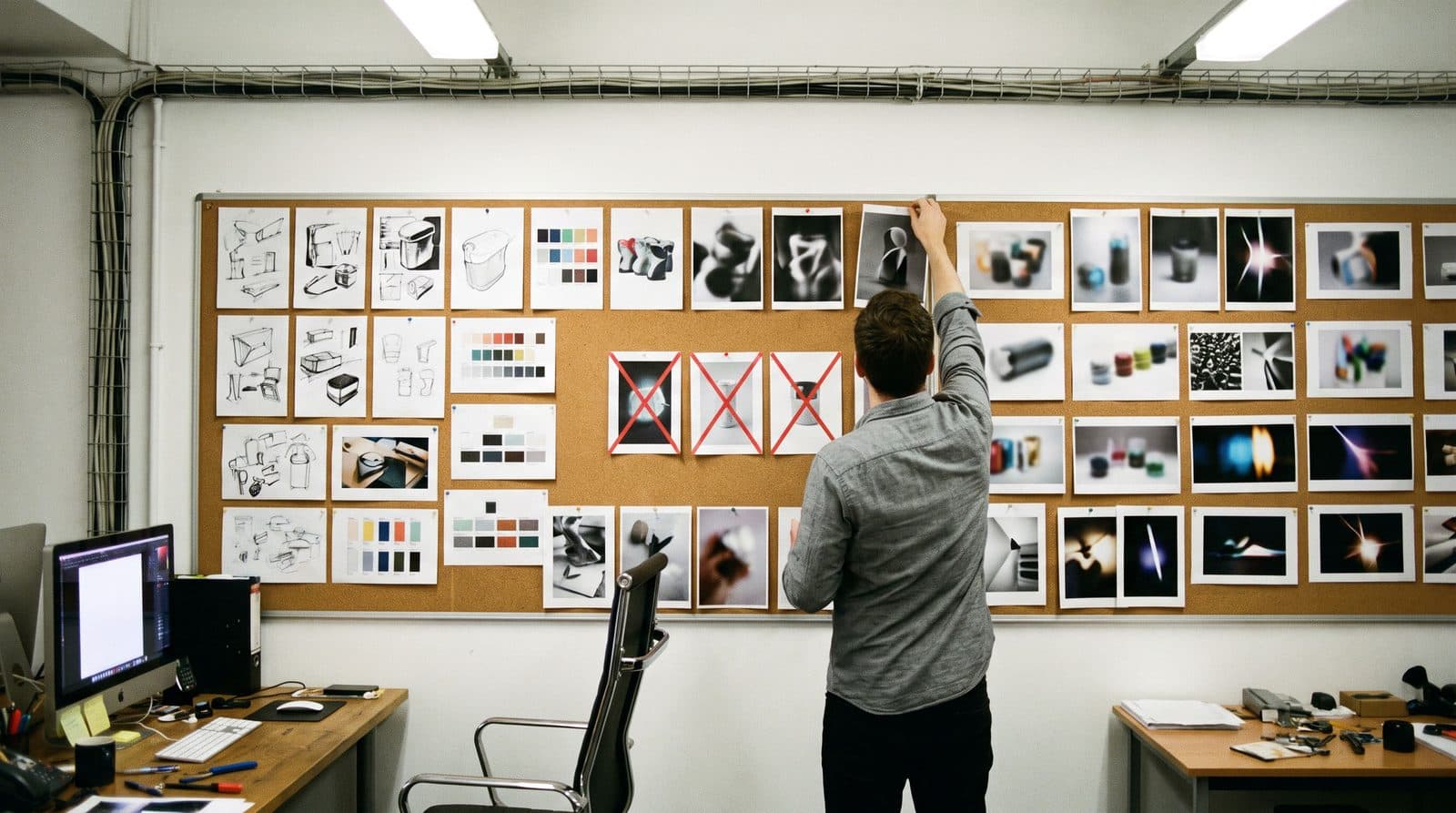
Pre-production is the phase where you search. You explore intentions, test directions, get it wrong, start again. That is exactly where AI earns its place: it compresses the time spent exploring. A full day of trials becomes a single morning. And the more you explore upstream, the stronger the brief that goes into production.
This shift changes everything. We don't spend less time on a project. We spend the same time, but a larger share goes to what truly matters: art direction, refinement, finishing.
Which AI for which task
Talking about "AI" in the singular makes no sense. The AI that generates an image is not the one that animates a mouth, nor the one that writes a compositing script. Here is how we split the work, concretely, across our projects.
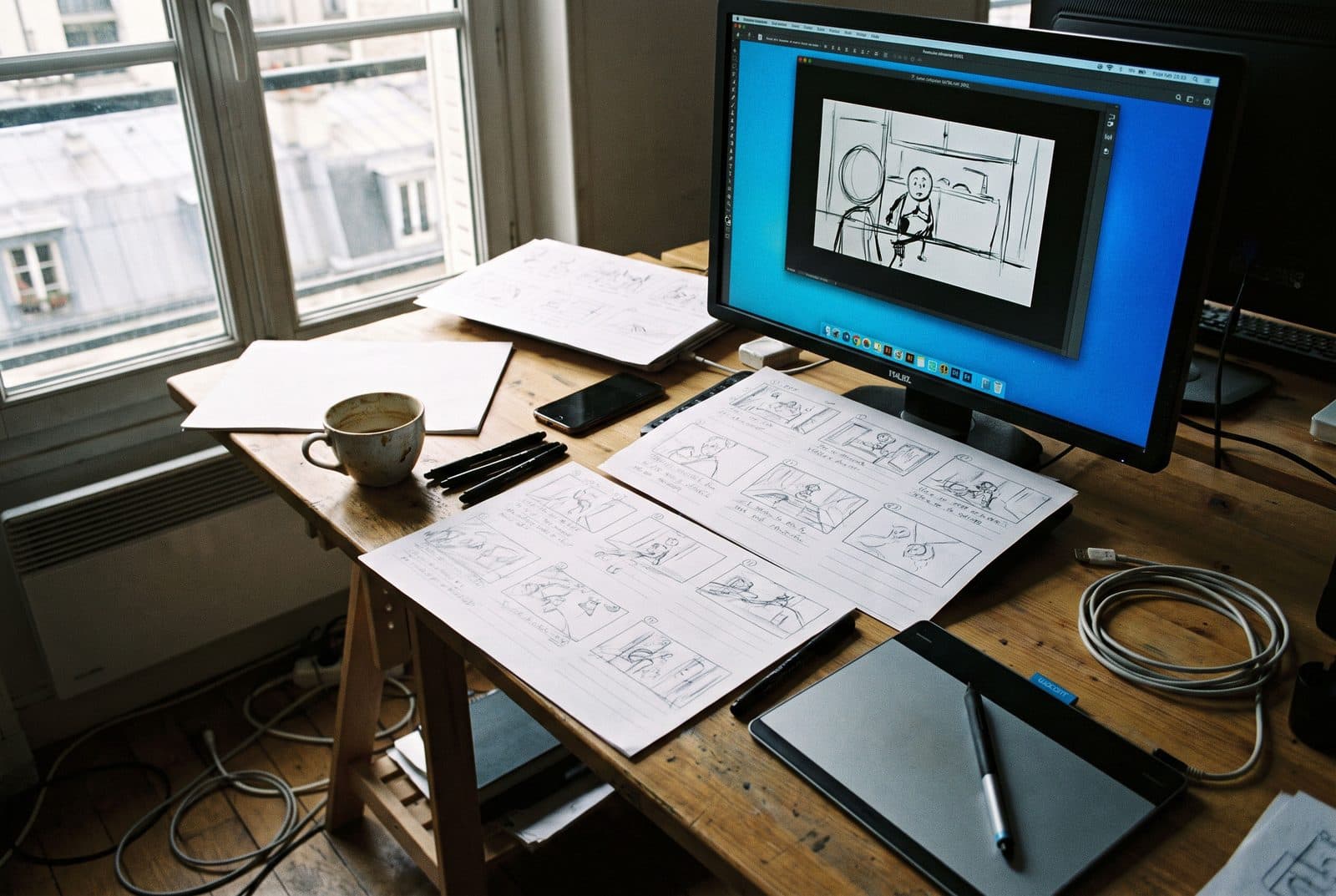
- ◆Storyboard, moodboards : ai family Image generation, what it gives us Set a visual intention in a few hours, before a single 3D cost is incurred.
- ◆Animatic, previsualization : ai family Image-to-video, what it gives us Bring an edit to life so it can be validated early with the client.
- ◆Talking character for the animatic : ai family Lipsync, what it gives us Test a character's performance and voice before the real production.
- ◆Brand world, matte painting : ai family Image generation, what it gives us Explore creative directions aligned with the brand's identity.
- ◆Lighting mood tests : ai family Image generation, what it gives us Validate a lighting intention before launching the 3D.
- ◆Scripts & automation : ai family Language models, what it gives us Make our 3D and compositing pipelines faster and more reliable.
The principle never changes: we choose the tool best suited to the task, we keep control, and we stop dead the moment final quality is at stake.
Exploring a brand world in an afternoon
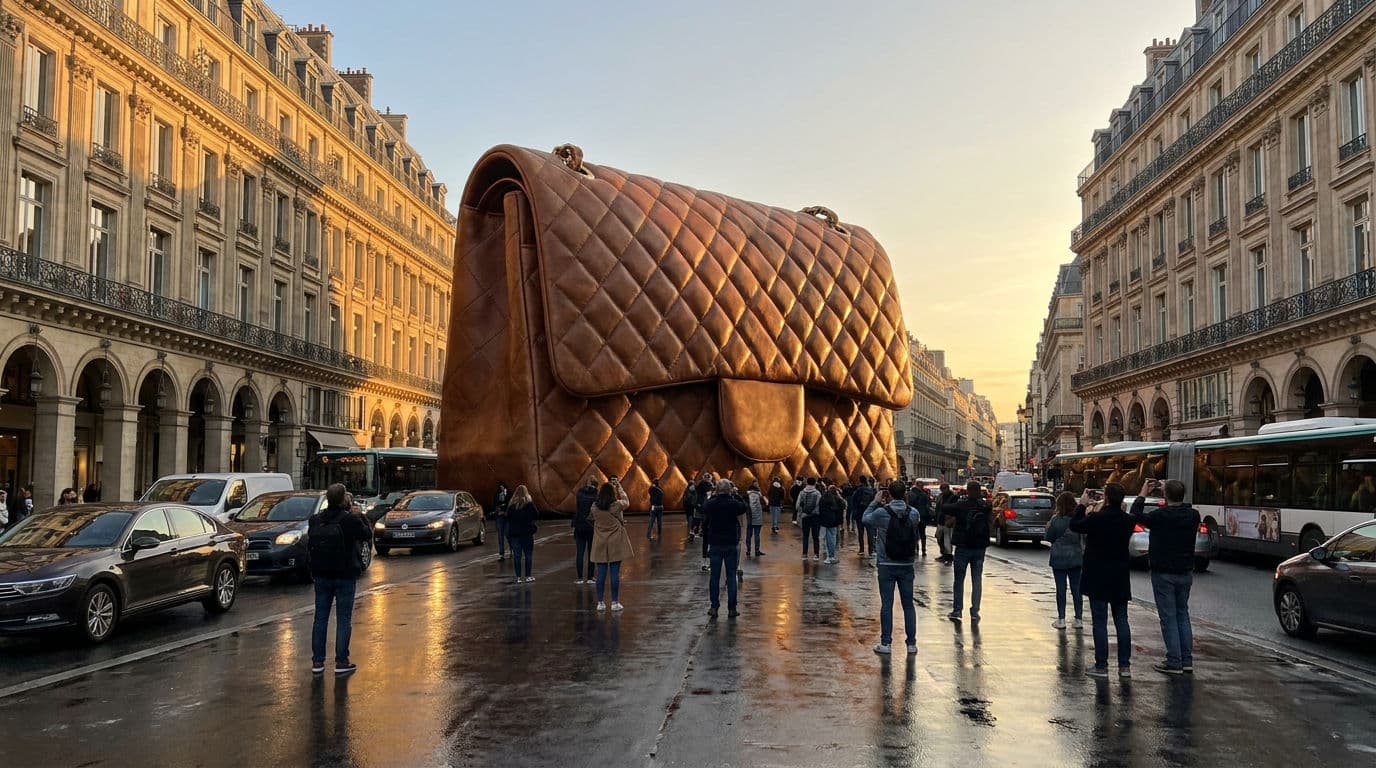
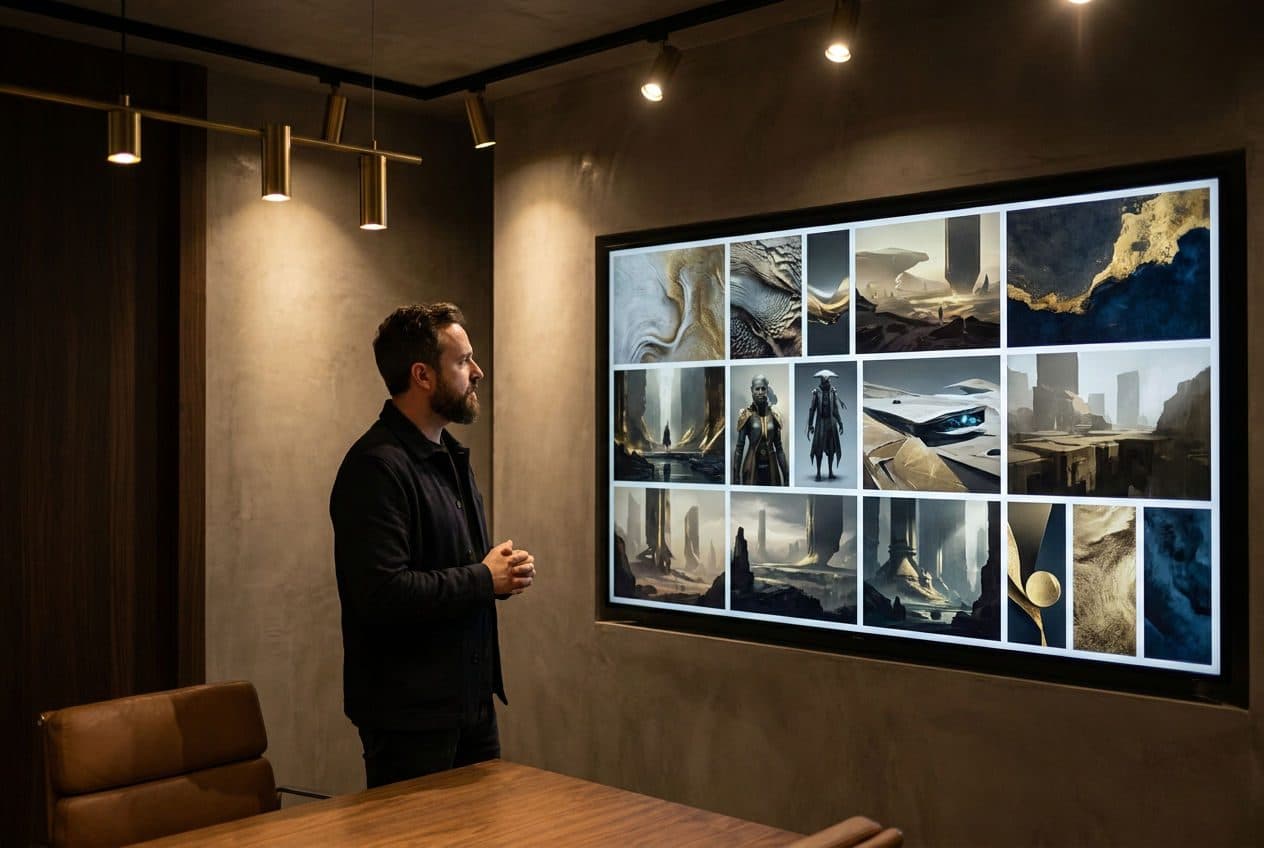
Before AI, pitching twenty visual directions for a campaign meant days of image research and back-and-forth. Today we explore ten or so world ideas in a single morning, then our art director keeps the two or three that genuinely resonate. The client sees more options, sooner. But the selection stays human, and so does the refinement.
Same logic for set design teams in pre-production: a quickly generated moodboard aligns everyone on an intention before a single set is built. AI does not decide the direction. It helps make it visible faster.
Testing the light before launching the 3D
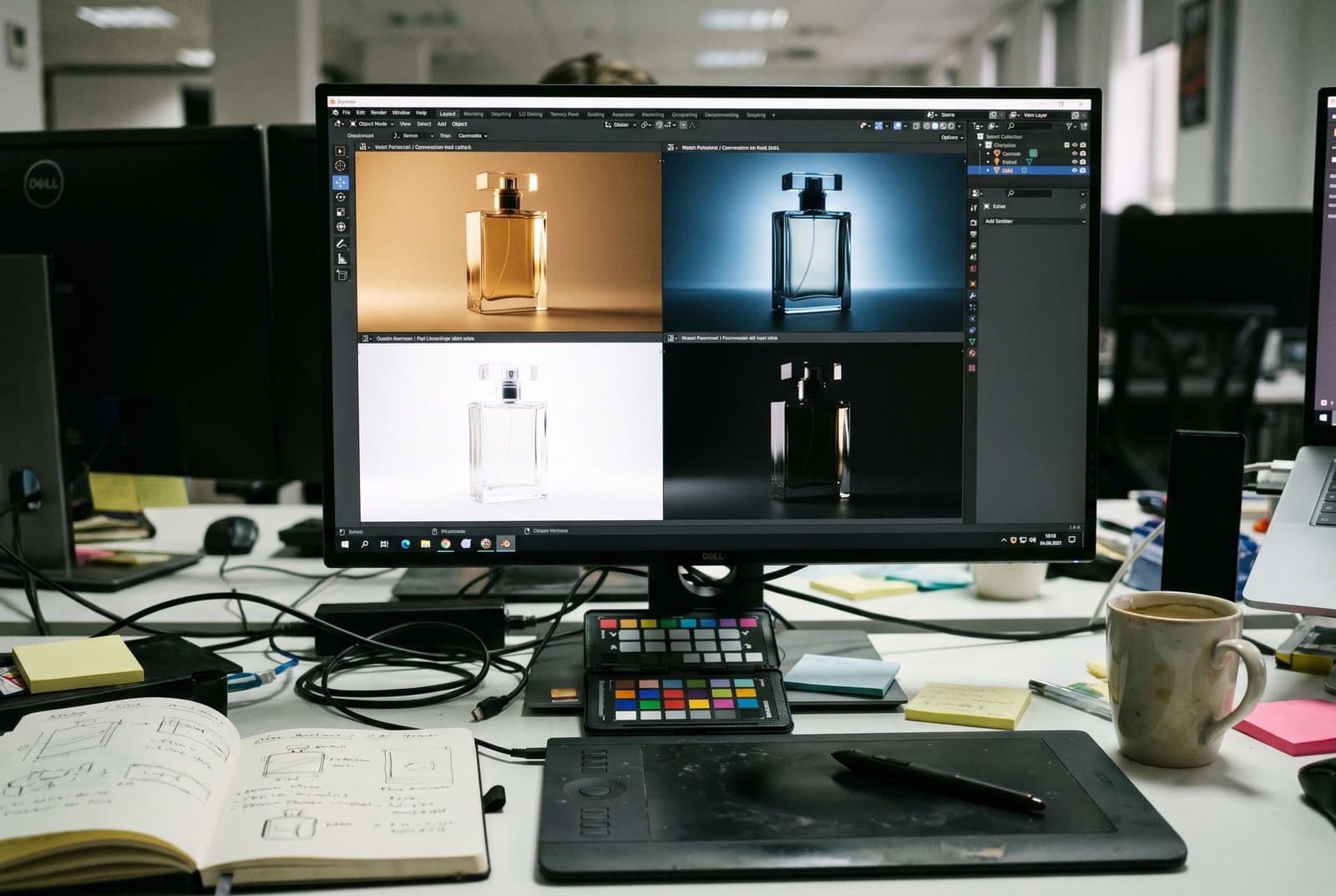
Light makes or breaks an image. Rather than discovering a bad intention after hours of rendering, we quickly generate several moods on the same product. We decide upstream, on references, then build the real 3D scene already knowing where we are headed. Think of it as location scouting, the pixel version.
Where AI does not belong
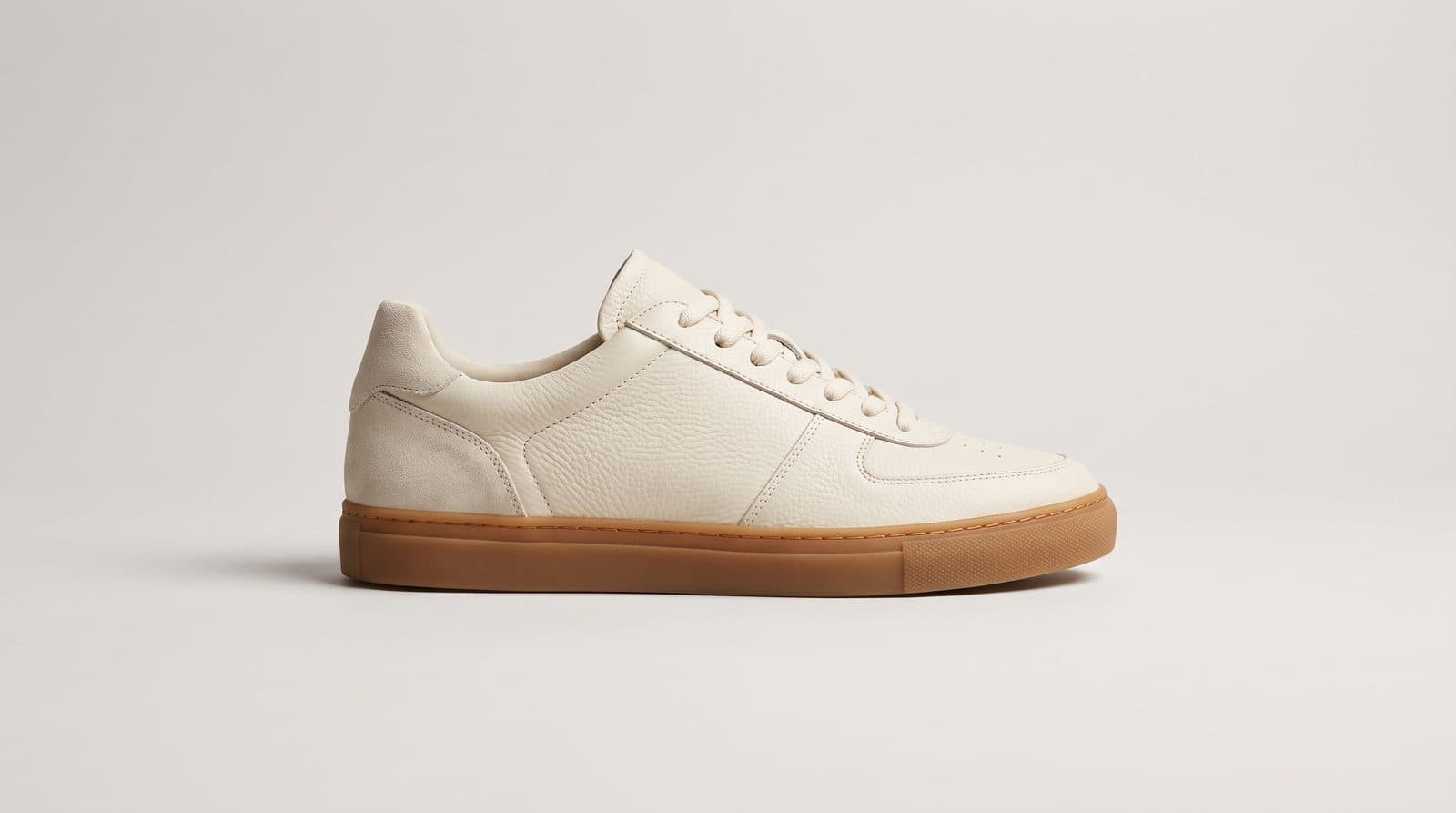
This is the part that reassures our clients, and it is the most important. The final render, the one that has to be flawless, does not come out of a generator. The fidelity of a makeup shade, the exact gleam of a metal, the consistency of a brand from one visual to the next: all of this demands a level of control that, today, only humans provide.
Three guardrails frame our use of AI. First, rights: we favor commercially safe tools and we stay clear about who owns the images produced, within a framework where protecting a work requires a real human contribution, since supplying prompts alone is not enough (US Copyright Office, 2025). Next, confidentiality: your products and your secrets do not go off into public AIs. Finally, transparency: we document what is generated and we apply the labeling obligations for synthetic content in force in Europe since 2 August 2026 (Article 50 of the AI Act).
And then there is a line we do not cross: mass content, churned out fast and soulless, the kind that has come to be called "AI slop." That is not our trade. A premium brand does not need more images. It needs the right ones.
AI is a brilliant assistant, not a creative director. It proposes. We decide.
What this changes for brands
In concrete terms, you get richer creative exploration for the same budget, faster back-and-forth, and decisions made earlier thanks to convincing animatics. Without giving up anything on final quality or on the security of your data. The share of video ads produced or retouched with AI rose from a quarter in 2025 to a third in 2026, and should approach 43% in 2027 (IAB, 2026). What remains is a gap between brands' appetite for AI and what their partners actually know how to do with it: in the United States, 85% of B2C marketing leaders plan to put their media agency up for review in 2026 (Forrester). That is exactly where we want to be.
Frequently asked questions
- ◆Does AI produce the final render at Digiteyes? No. AI comes in during pre-production (exploration, storyboard, animatic, mood tests, scripts). The final deliverable is produced in 3D and compositing by our artists, at the premium standard our clients expect.
- ◆Do my data and my products stay confidential? Yes. We do not send your sensitive assets into public AIs. AI is used within a controlled framework, contractually defined, suited to the requirements of premium houses.
- ◆Who owns the visuals produced? We work with commercially safe tools and clarify ownership of the deliverables in the contract. Protecting a work requires a human creative contribution, which is exactly what our hybrid workflow provides.
- ◆Does using AI lower the quality? On the contrary, used well it raises it: by compressing the exploration work, it frees up time for art direction and finishing. Quality depends on human judgment, not on the tool.
- ◆Which AIs do you use? Several, depending on the task: image generation for moodboards and worlds, image-to-video for animatics, lipsync for pre-production characters, language models to automate our pipelines. The choice depends on the need and the safeguards (rights, confidentiality).
A production where AI serves quality, not the other way around?
Digiteyes combines AI in pre-production with premium CGI/VFX craft for demanding brands and agencies. Let's talk about your project: contact@digiteyes.fr.
Sources
- ◆IAB · Digital Video Ad Spend & Strategy, 2025 and 2026 editions (GenAI use in video creative)
- ◆Forrester · Predictions 2026, Marketing Agencies (85% of US B2C marketers put their media agency up for review)
- ◆US Copyright Office · Copyright & AI, Part 2: Copyrightability (2025)
- ◆EU AI Act · Article 50, in force since 2 August 2026 (transparency / labeling)
- ◆Adobe Firefly · its "commercially safe" approach (Adobe's Firefly models only)