In short
Adding a 3D model to a product page lifts conversion and lowers returns. Shopify's data points to roughly 94% more conversions on products shown in 3D or augmented reality, and 3D solution vendors cite about 40% fewer returns. The mechanism is simple: the buyer understands the product before paying, turns it, zooms on the material, sees it at scale. Two caveats nobody mentions. First, these figures are vendor estimates, to be read as orders of magnitude, not a guarantee. Second, the gain only lands if the 3D tells the truth about the product: a flattering but false image sends the parcel back. At Digiteyes, AI explores upstream, it never builds the deliverable, which stays an exact 3D, crafted image by image.
Two numbers circulate in almost every deck about 3D commerce: +94% conversion, -40% returns. They get copied everywhere, often without a source, sometimes dressed up as a promise. Yet they come from a precise place, and they deserve better than a sales-sheet slogan.
Let's look at where they come from, what they mean for a real catalog, and above all the condition everyone forgets to state. Because a 3D product page can do a lot for your sales. Done badly, it can also cost you dearly.
Where the +94% and the -40% come from
The +94% comes from Shopify, which measured it in 2020 across its merchants. On pages where the shopper can handle a 3D model or place it at home in augmented reality, the platform sees conversion on average 94% higher than on flat-photo pages. The -40%, though, doesn't come from Shopify: it circulates among 3D solution vendors (Sayduck, London Dynamics, VNTANA), who attribute it to merchant data without publishing it. Alongside, other measures point the same way: a higher average basket, and, according to one vendor study, more than eight visitors in ten who handle the 3D when offered. The size shifts from one study to the next, the direction doesn't.
- ◆+94% : average conversion lift on pages with 3D or augmented reality, according to Shopify (2020 data)
- ◆-40% : fewer returns with 3D, according to 3D solution vendors (figure not published by Shopify)
- ◆$850B : of merchandise returned in the US in 2025, nearly 20% of it from online orders (NRF)
A clarification before going further. These percentages are industry estimates, not laws of physics. Depending on the study, the drop in returns sits closer to 20 to 40%, and it all depends on the product, the market, the quality of the model. The real point isn't to defend a figure to the decimal. It's to understand why it works, so you know when it will work for you.
Why a 3D image makes people buy
A photo shows one viewpoint, frozen. The 3D model, on the other hand, can be handled: you spin it, zoom on a stitch, judge a material, compare colorways, sometimes place it to scale in your living room. The buyer stops guessing. They see. GANT moved its catalog to 3D and measured, in A/B tests across several markets, a 6.3% conversion lift. At Rebecca Minkoff, shoppers who had viewed a bag in 3D ordered 27% more often. Wayfair for furniture, sportswear brands for shoe size: everywhere the same reflex, show rather than promise.
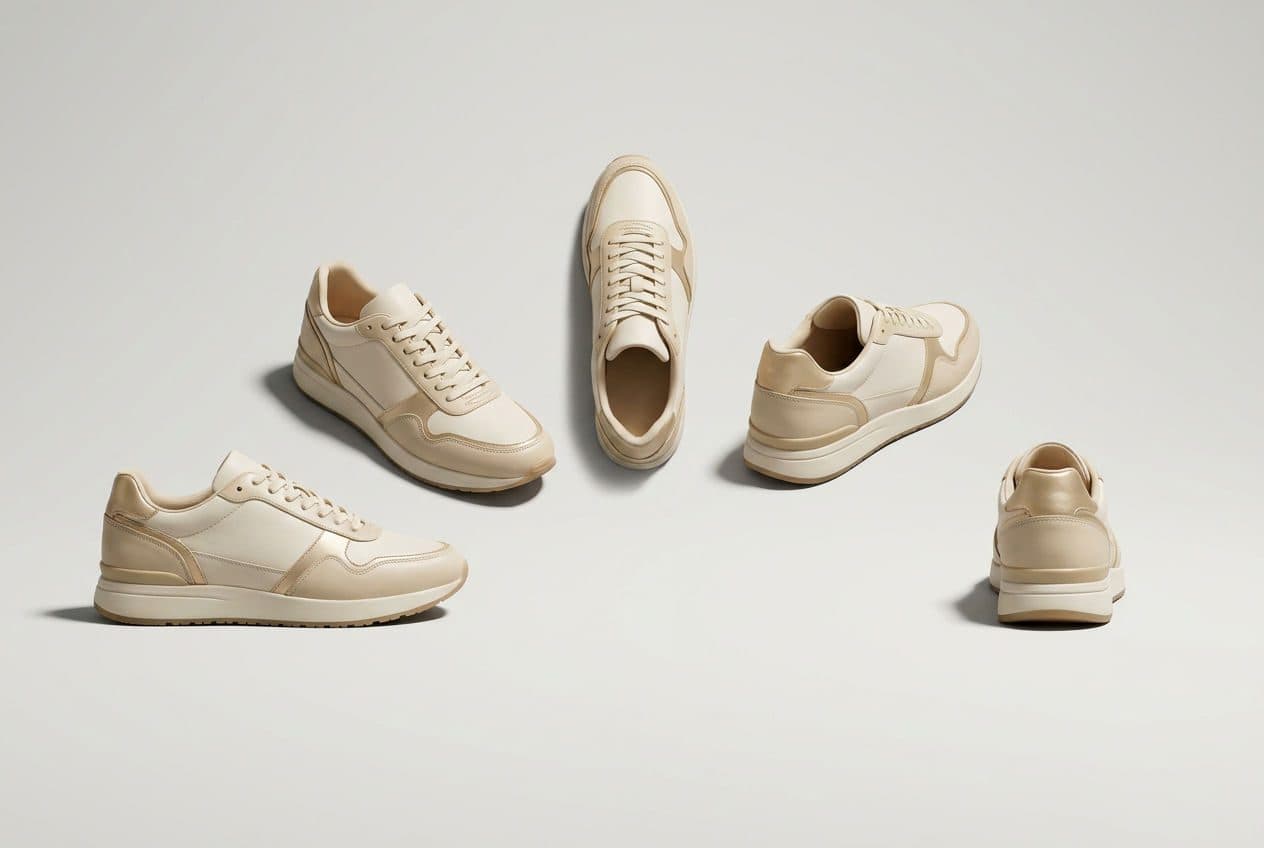
This isn't a display gadget. When eight visitors in ten grab hold of the 3D, they stay longer on the page, understand it better, hesitate less at checkout. The model becomes the page's best salesperson, the one that answers the questions a customer asks in silence: is it my size, is the color true, does the finish live up to the promise.
The real gold mine is returns
Conversion makes the headlines. Returns make the holes in the margin. In the US, the NRF puts the value of returned merchandise at nearly 850 billion dollars in 2025, with close to one online order in five heading back the other way. Processing a return costs merchants between 20 and 30% of the item's value, which means 20 to 30 dollars on a 100-dollar product (Optoro, Pitney Bowes), on top of a product that's sometimes unsellable afterward. For a brand, a return is often worse than a lost sale: you paid for acquisition, shipping, reverse logistics, and nothing is left.
The number one reason for returns fits in three words: not as expected. Wrong size, a different color on screen, a disappointing material in hand. That's exactly the gap 3D fills. A customer who has turned the product, zoomed on the knit, checked the proportions gets it wrong less often at the click. They buy knowingly, and the parcel stays home.
A customer who has turned the product every which way before buying is rarely surprised on delivery.
The condition nobody states: the 3D must tell the truth
Here's the point no sales sheet puts forward. The number only plays one way. A 3D that flatters, colors too saturated, leather too perfect, proportions improved, lifts conversion and inflates returns at the same time, because the delivered product disappoints. The 3D that really cuts returns is the one that doesn't cheat: the right material under real light, the right scale, the right shade. That's craft, not a magic button or a one-click render.
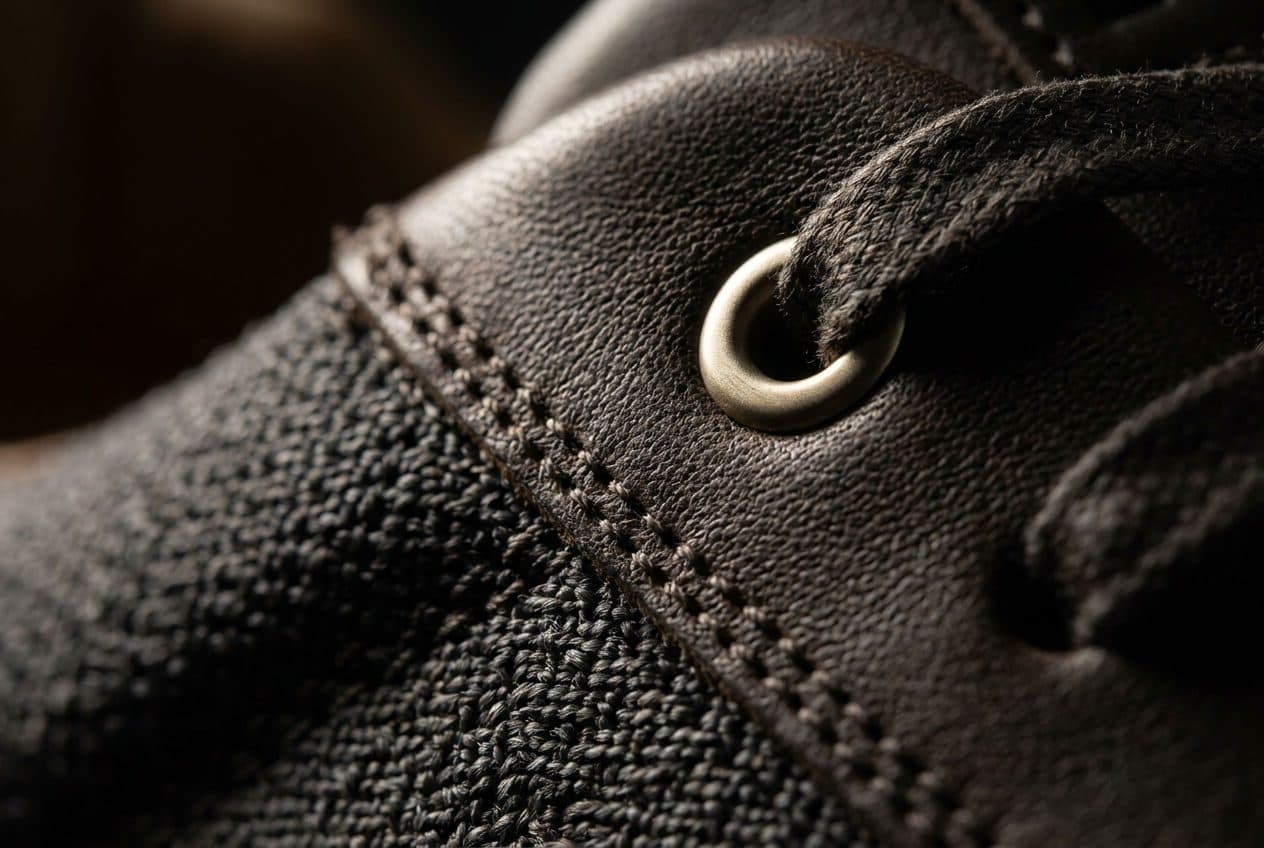
That's why the asset matters more than the viewer. An approximate model breaks the trust it was meant to build; a faithful one sells and keeps the customer. It's also the limit of consumer tools: an AI quickly spits out a pretty thumbnail, not a master that's exact in color and dimensions, ready to go live on a page thousands of customers will scrutinize. The difference doesn't show on a screenshot. It shows on the return rate, three months later.
When 3D starts to pay off
That leaves the question that really decides: what it costs versus photography. A shoot is a fixed cost per product, per variant, per market, to redo every season. A 3D master is built once and reused everywhere: the page, the 360 viewer, the configurator, the ads, social, a FOOH, every colorway, every language, every year. In our experience, the break-even point sits around 8 to 25 references, depending on the number of variants and the reshoot rhythm. Past a handful of SKUs, 3D stops being an expense and becomes an asset library.
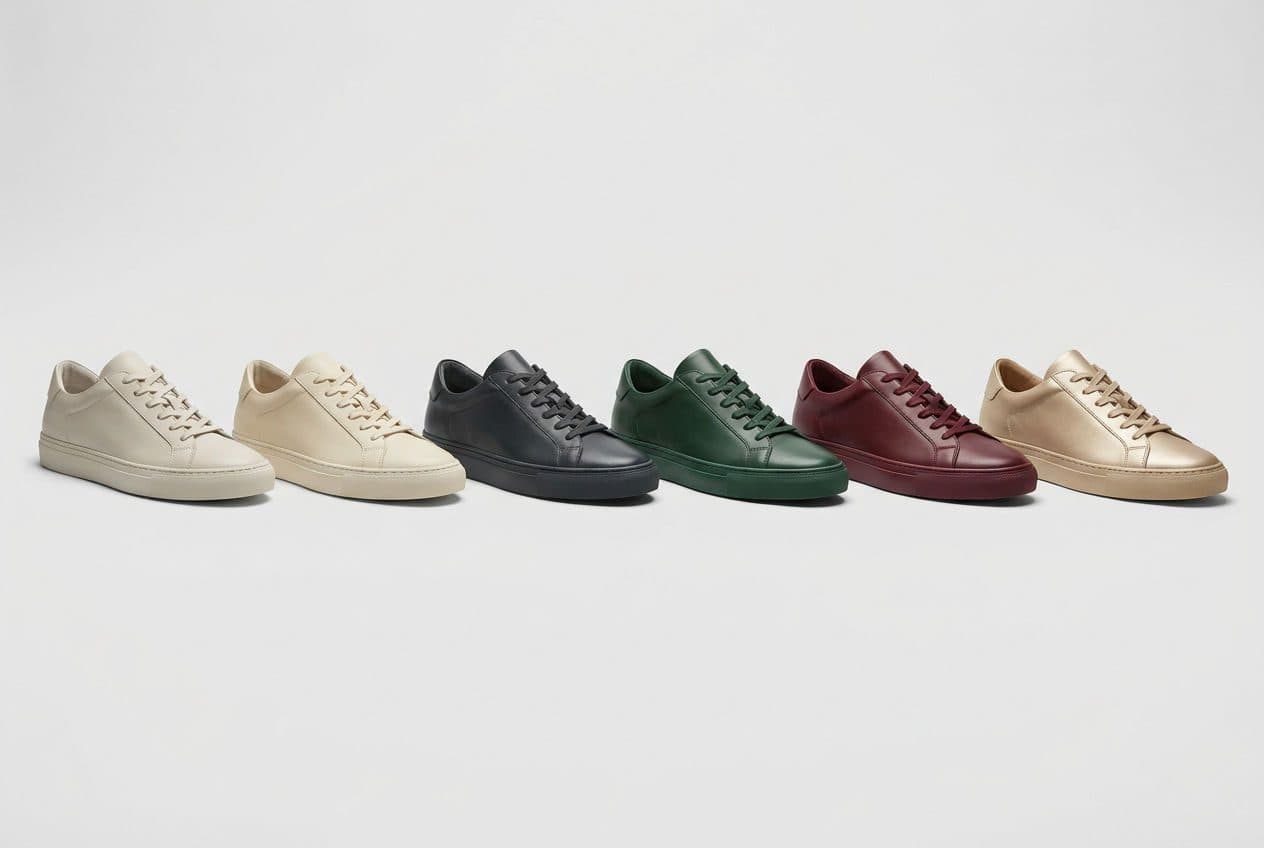
That's why big retailers are moving their catalog to CGI: not for one nice image, for a system that holds at scale. The configurator is the extreme version. Let the customer compose their product, its color, its finish, and they commit more: they buy more, and what they receive looks exactly like what they built on screen. Hard to close the gap between expectation and delivery any better.
And what about AI?
That leaves the question we get asked on every catalog: what about AI? At Digiteyes, it works upstream. It's there to explore a direction, test a lighting mood, rough out a set before production starts. It speeds up the thinking, not the final render.
The deliverable stays crafted image by image by 3D artists. That's what guarantees a leather reacts right to light, a bag is exactly the size claimed, an off-white is the right one. A consumer AI produces a convincing thumbnail in seconds. It guarantees neither color fidelity, nor dimensions, nor consistency across a hundred references. On a product page, that exactness isn't a detail. It's the whole point, the one that separates a sale from a return.
Frequently asked questions
- ◆Does 3D really raise conversion by 94%? The figure comes from Shopify, on average across pages with 3D or augmented reality. It's an estimate, not a guarantee: depending on the product, the market and the quality of the model, the real gain varies. What stays constant is the direction: letting the customer handle the product before buying lifts conversion.
- ◆How does 3D lower returns? The top reason for returns is a product that doesn't match what was imagined: size, color, material. By letting shoppers turn, zoom and gauge the product to scale, 3D fills that expectation gap. 3D solution vendors point to up to 40% fewer returns, on one condition: that the model is faithful to the real product.
- ◆From how many products is 3D worth it versus photography? In practice, the threshold often sits around 8 to 25 references, depending on the number of variants and the reshoot rhythm. Photography is paid for on every product, every colorway, every season. The 3D master is built once and reused on the page, the configurator, the ads and every market.
- ◆Isn't a good photo enough? A photo shows a single frozen viewpoint, and has to be redone for every variant or new market. A 3D model spins, zooms, scales, sometimes lands in your home in augmented reality, and it declines without a new shoot. For a one-off piece, a photo is enough. For a catalog that lives and declines, 3D takes the lead.
- ◆Can these 3D models be made with AI? AI helps upstream: explore a direction, test a light, rough out a set. But a model meant for a live page has to be exact in color and dimensions, consistent across a whole catalog. That exactness stays the work of 3D artists. A pretty AI thumbnail isn't a faithful master, and on a product page, fidelity is what decides the return.
Want to move your catalog to 3D?
Digiteyes builds photoreal, faithful product 3D for brands and agencies, reusable on the page, the configurator, the ads and all your markets. Tell us what you sell, we'll tell you what 3D can change: contact@digiteyes.fr.
Sources
- ◆Shopify · The Thrilling Evolution: 3D Ecommerce (+94% conversion, 2020 merchant data)
- ◆NRF · 2025 Retail Returns Landscape (value and rate of returns, online versus in-store)
- ◆NRF · Consumers to return nearly $850 billion in 2025 (nearly $850B of merchandise returned in the US)
- ◆VNTANA · 3D Product Visualization (higher average basket, more than 8 in 10 shoppers interact with 3D)
- ◆DesignRush · 3D Product Configurators: Conversion & Returns Data (GANT +6.3%, Rebecca Minkoff +27%, effect of configurators)
- ◆London Dynamics · Retailer's Guide to 3D Ecommerce (the 40% fewer returns figure, vendor side)