In short
CGI (computer-generated imagery) means building an image entirely inside the computer: 3D models, materials, light, animation, with no camera and no shoot. VFX (visual effects) is the wider craft of blending and transforming images, most often by integrating synthetic elements into real footage. In live action, CGI is the main tool of VFX; but it also exists without VFX, in animation, 3D packshots or video games. For a brand, the real question isn't the word, it's the project: no footage to enhance, everything built from scratch, that's CGI; filmed images to augment, clean up or extend, that's VFX. Big campaigns often use both.
Two words show up in almost every creative brief, used as if they meant the same thing: CGI and VFX. An advertiser asks for "CGI" while picturing a filmed shot they want retouched. An agency says "VFX" for a packshot that never met a camera. Nobody is wrong. Everybody is slightly off.
The mix-up is harmless on its own. It stops being harmless when it decides a budget, a schedule, or which studio you brief. Modelling a bottle that doesn't exist yet and dropping a creature into a shot filmed in the mountains are two distinct crafts, with two different ways of counting the days. Here is how to tell them apart, and above all how to know which one your project needs.
CGI and VFX: two words, two crafts
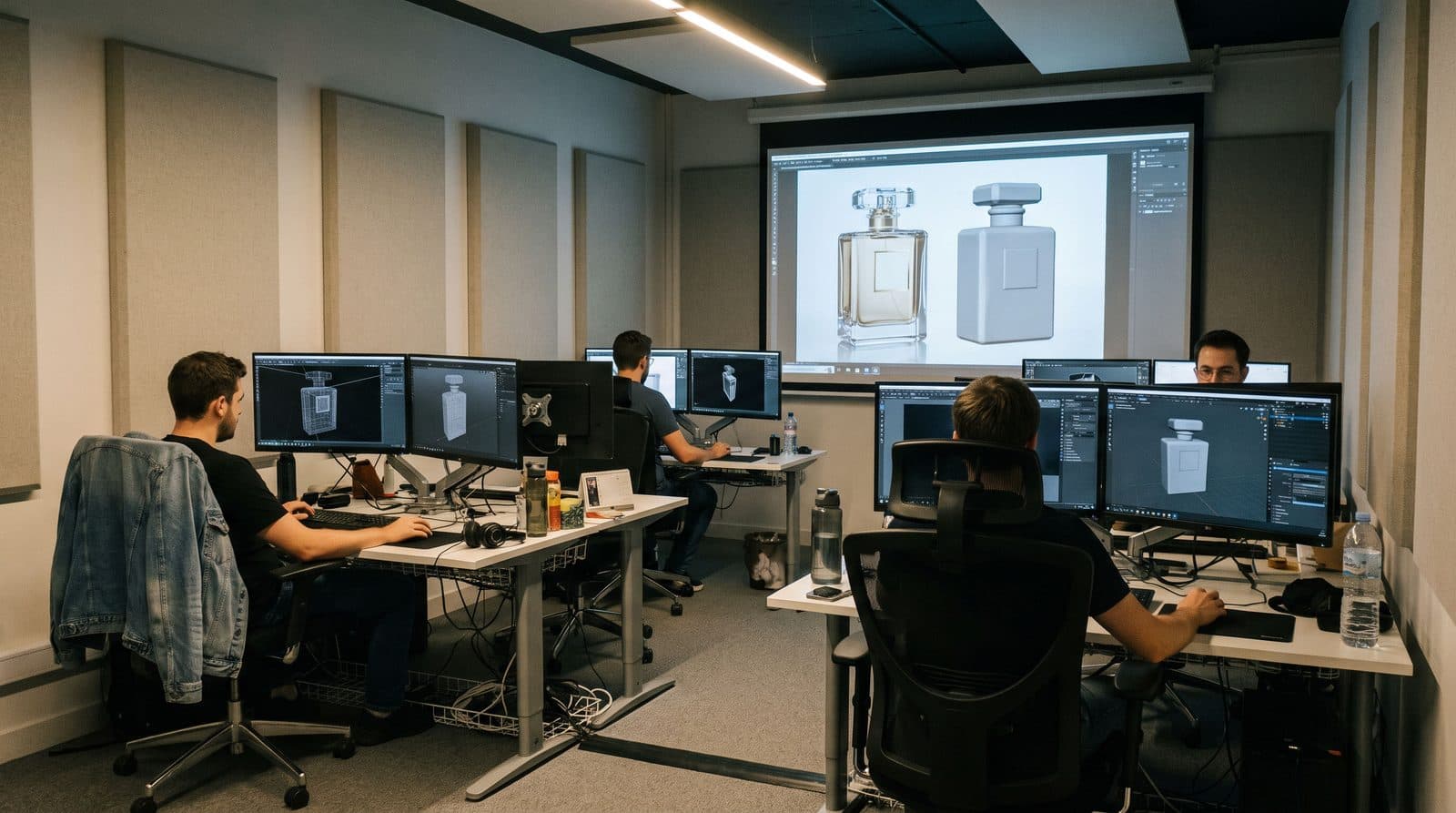
The simple part first. CGI is computer-generated imagery: you start from a blank page and build everything, the shape in 3D, the material, the light, the motion. Nothing was filmed. A perfume packshot in a virtual studio, a car that doesn't exist yet, a whole city rebuilt pixel by pixel: that's CGI.
VFX, visual effects, is a wider craft. Its heart is integration: taking images, usually shot for real, and adding to them, removing from them or transforming them until the seam is invisible. A dragon placed above actors, a set extended beyond the stage, a wire erased, a sky replaced. CGI often supplies the raw material, VFX makes it hold inside the shot. Hence the nuance everyone forgets: in a live-action film or commercial, CGI is the main tool of VFX, not a synonym for it. And CGI also lives perfectly well without VFX, in an animated film, a 3D packshot or a video game.
- ◆~$11B : global VFX market in 2025, according to research firms (Precedence, SkyQuest)
- ◆20 to 40% : of a big-budget feature's budget goes into visual effects (industry estimates)
- ◆+94% : e-commerce conversion with an interactive 3D model rather than a photo (Shopify, 2020 data)
A third term lurks in the background: SFX. Special effects happen on set, for real: artificial rain, a pyrotechnic blast, a scale model. Nothing to do with the computer. They get confused less often, but let's set the trio straight once: SFX on the shoot, VFX in post-production, CGI whenever the image is built inside the computer, with or without a shoot.
In film, the line is clear
Cinema gives the clearest example. Take a dragon. CGI sculpts it: its skin, its scales, the way each muscle rolls under the wing. VFX places it in the shot with the actors: the right light, the ground shadow, the reflection in a puddle, the dust it kicks up. The dragon that gets built is CGI. The dragon you believe is there, in frame, is the work of VFX.
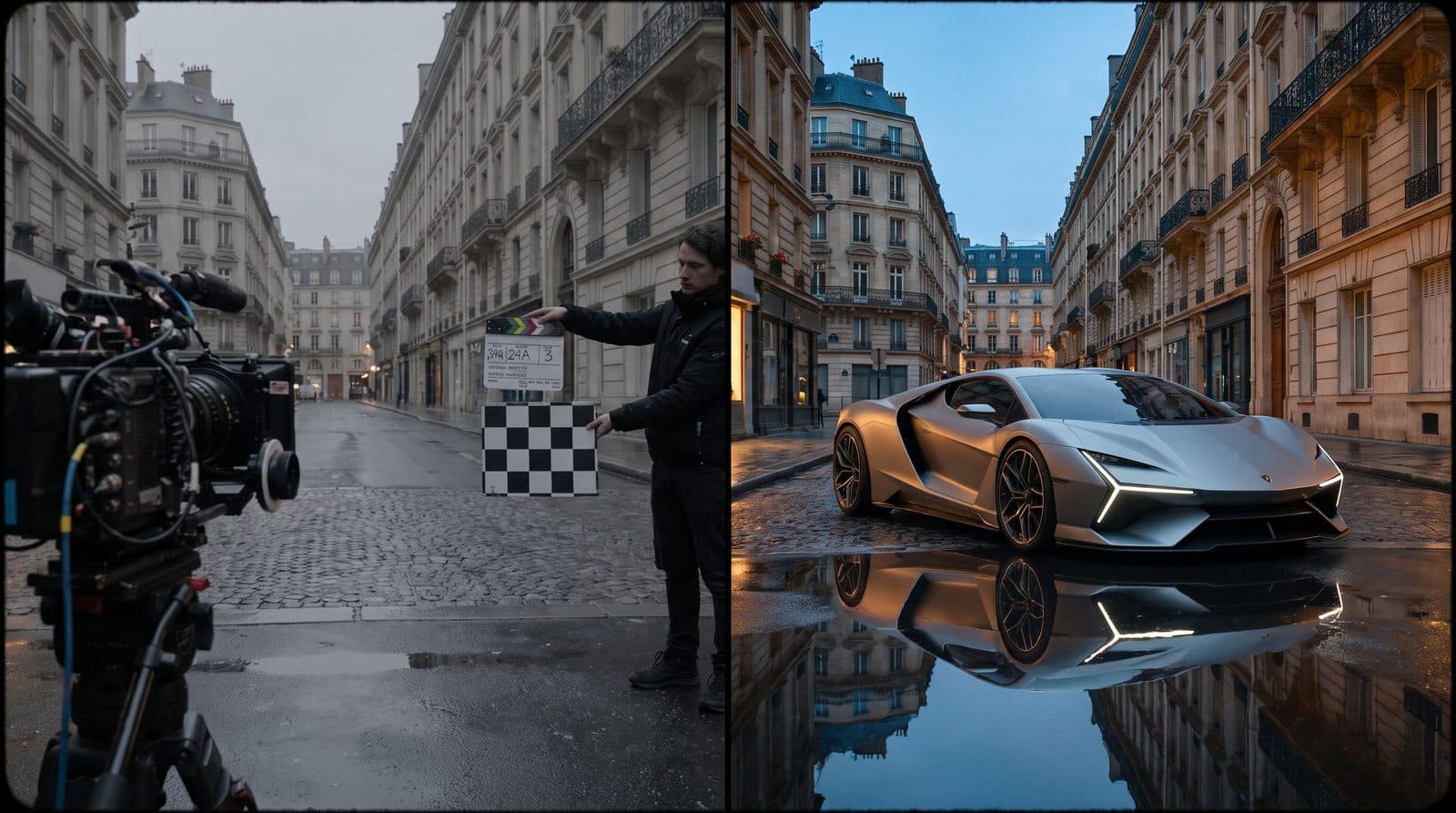
That integration has a name, compositing, and it's what separates a stunning shot from a broken one. You can model the finest spaceship in the world. If it floats above the set without belonging to it, the eye lets go within a fraction of a second. The hard part isn't creating the element. It's making it hold together with the rest of the image.
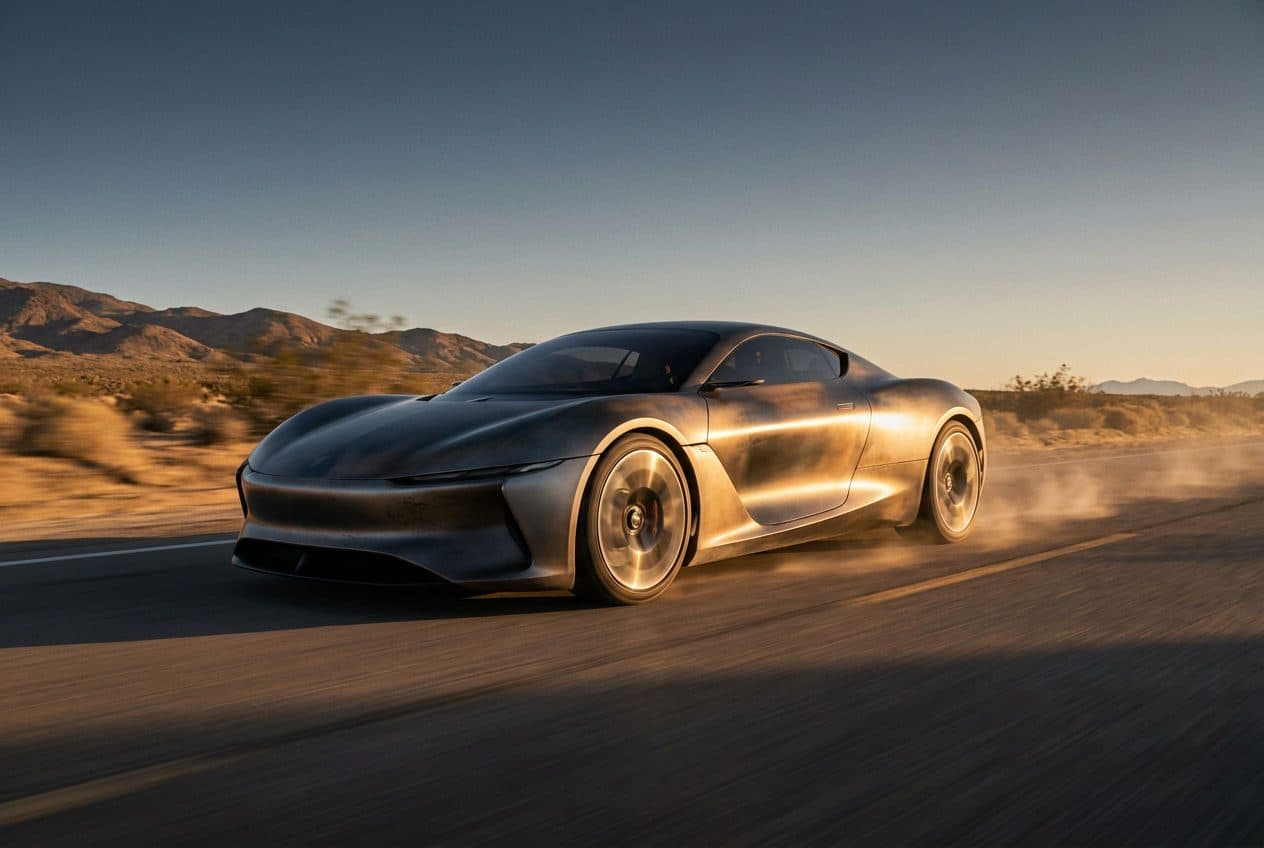
And the scale has changed. In a big-budget film, visual effects now absorb 20 to 40% of the budget, and nearly every shot goes through some kind of trickery, if only a cleanup, a set extension or a light match. The audience only sees the dragon. It never sees the hundreds of "invisible" shots that are also VFX.
In advertising, the words drift
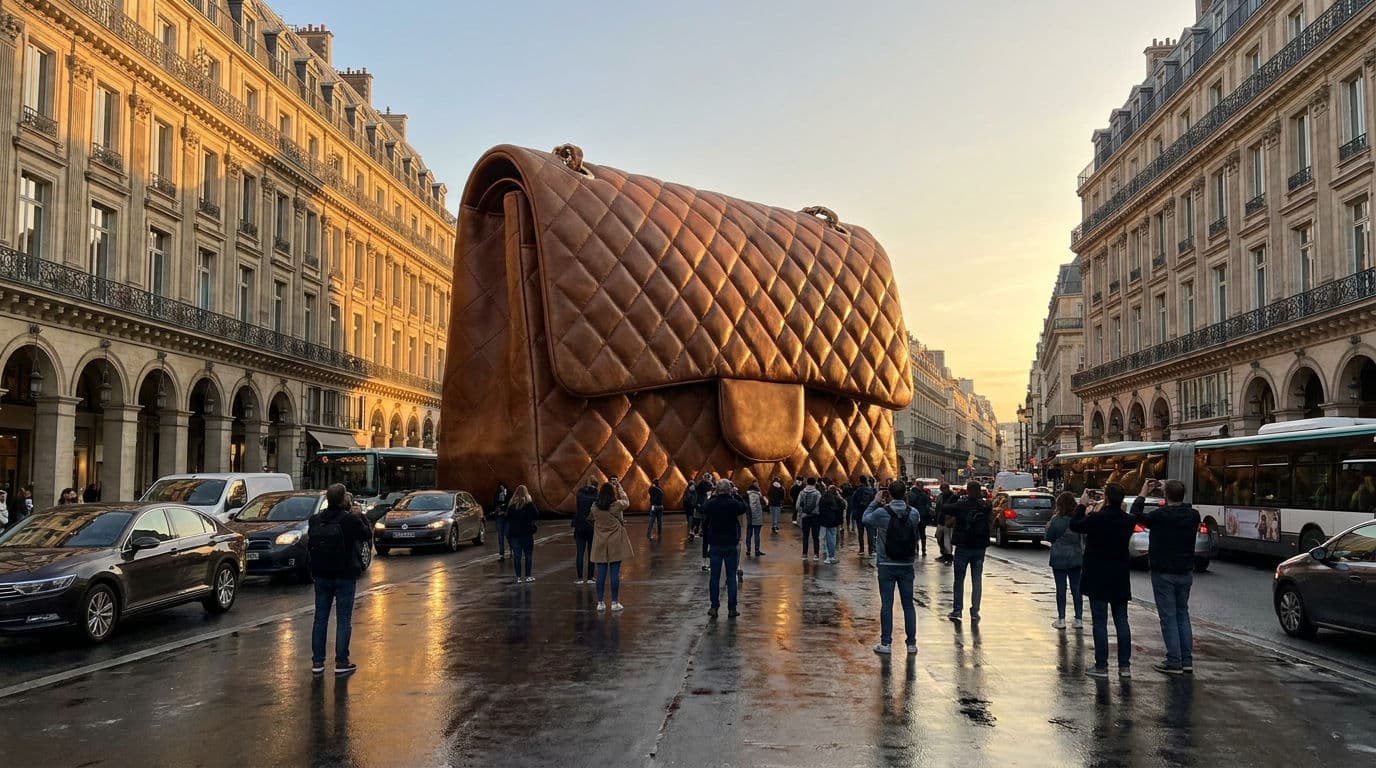
Advertising is where it blurs. Film vocabulary got borrowed, then bent. When a brand says "CGI" today, it usually means fully built content: a 3D packshot, a product film with no shoot, a FOOH with a giant object dropped into a city. No camera, no stage, everything comes out of the computer. That isn't wrong, it's the exact definition of CGI.
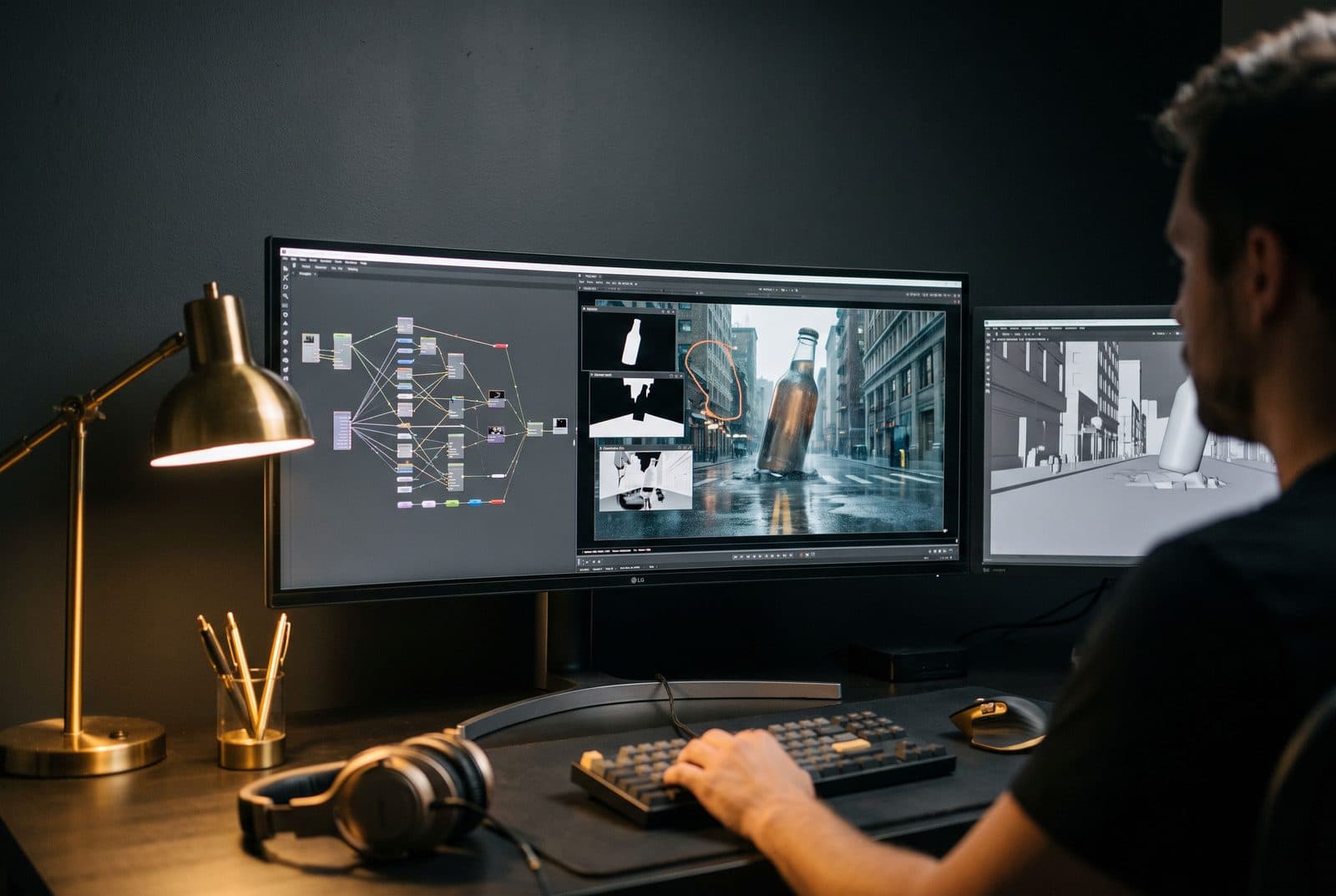
The drift is that this "100% CGI" content actually rests on VFX craft. A FOOH only goes viral if the fake object looks genuinely placed in the street: the light of the location, the grain of the image, the shadow on the wet asphalt. Building the object is CGI. Blending it into the setting to fool the eye one second too long is the VFX reflex. Both crafts work inside the same image, even when no camera ever rolled.

Carmakers figured this out long ago. They stage cars in CGI well before a prototype ever rolls, in settings that don't exist, and the border with VFX barely means anything to them. What matters is that the image is believable, whether it comes from a shoot or a hard drive.
CGI builds what doesn't exist. VFX makes you believe it was always there.
So, CGI or VFX for your project?
Forget the definitions for a moment. To decide, a single question sorts almost every case: do you have filmed images to transform, or are you starting from a blank page?
You have no footage
An e-commerce packshot, a product film with no stage, a FOOH, a range to spin out into a hundred visuals: it all gets built in 3D. That's CGI. Its quiet advantage: a well-made model can be reused endlessly, across every format and market, with no studio to re-book and no shoot to re-schedule.
You start from filmed images
A shot spot to elevate, a product to composite into a real scene, a set to enlarge, a logo or a wire to erase, weather to fix. That's VFX work. The subject already exists in the image; the craft is to transform it without anything showing.
You want both
This is the ground of the most ambitious campaigns. You film an actor, build a synthetic world around her, integrate a product that doesn't exist yet, and match it all together. CGI and VFX then move hand in hand, and the real referee becomes compositing, that seam between the real and the built. That's where a project is won or lost.
And where does AI fit in?
The question comes up in every brief, and our answer holds for CGI as much as for VFX: AI works upstream. It serves to explore an intention, test a lighting mood, rough out a world or a framing before the real production starts. It speeds up the thinking, not the render.
The final deliverable stays shaped frame by frame by 3D artists and compositing artists. That's what guarantees an object holds inside a shot, a material reacts right to light, a seam gives nothing away. Consumer AI quickly spits out a pretty thumbnail. It doesn't produce a premium master that stays consistent across thirty shots, nor a clean file you can adapt and deliver. In the end, the difference between CGI and VFX matters less than this one: what's cobbled together, and what's under control.
Frequently asked questions
- ◆What is the difference between CGI and VFX? CGI (computer-generated imagery) means building an image entirely in 3D, with no camera: models, materials, light, animation. VFX (visual effects) is the wider craft of integrating and transforming images, most often by adding synthetic elements to real footage. CGI is the main tool of VFX, but it also exists without VFX.
- ◆Is CGI part of VFX? Not exactly. In live action, CGI is the main tool of VFX: anything built as computer-generated imagery can feed an effects shot. But VFX also covers compositing, erasing or set extension, and CGI exists without VFX: an animated film, a 3D packshot or a video game are CGI without being VFX.
- ◆Does my brand need CGI or VFX? Ask yourself one thing: are you starting from filmed images, or from nothing? With no shoot, a packshot, a product film or a FOOH are CGI. With images to augment, clean up or extend, it's VFX. Many premium campaigns combine the two.
- ◆Is FOOH CGI or VFX? A FOOH is built in CGI: the giant object and the setting are created from scratch. But its realism rests on VFX craft, the art of blending that fake object into a believable place. In practice, a good FOOH uses both.
- ◆Should a studio master both? Ideally yes, plus the compositing that links them. A studio comfortable in both CGI and VFX steers you toward the right approach instead of bending your project to its one specialty. At Digiteyes, AI comes in upstream to explore and frame, never on the final deliverable, which stays the work of artists.
A CGI or VFX project in mind?
Digiteyes creates premium CGI and VFX for brands and agencies, from idea to master. Tell us what you want to show, and we'll tell you what it really takes: contact@digiteyes.fr.
Sources
- ◆StudioBinder · VFX vs. CGI vs. SFX: Decoding the Debate (definitions and how the terms relate)
- ◆Pixflow · VFX vs. CGI vs. SFX (common definitions of CGI and VFX)
- ◆Precedence Research · Visual Effects Market (size of the global VFX market)
- ◆SkyQuest · Visual Effects Market (VFX market and yearly growth)
- ◆Vitrina · VFX Cost Guide (estimated share of budget spent on VFX on big films)