Le Faux Dilemme
Le débat fait rage depuis deux ans. D'un côté, les évangélistes affirment que l'IA va remplacer tous les métiers créatifs. De l'autre, les puristes la rejettent en bloc, s'accrochant aux processus manuels par principe. Les deux camps ont tort. La vraie question n'est pas de savoir s'il faut utiliser l'IA. C'est de savoir comment l'utiliser sans perdre ce qui fait la qualité d'un travail d'exception.
Chez Digiteyes, nous avons fait notre choix. Nous adoptons l'IA comme outil de production, pas comme substitut créatif. Nous l'intégrons dans notre pipeline exactement comme nous avons intégré le compositing numérique il y a vingt ans, ou le rendu temps réel il y a cinq ans : comme un multiplicateur de force pour l'expertise humaine. Le savoir-faire reste. Les standards restent. La vitesse change.
Pourquoi « Rapide » Ne Suffit Pas
L'IA peut générer une image en quelques secondes. Elle peut produire un composite brut en quelques minutes. Elle peut suggérer des angles de caméra, des palettes de couleurs et des setups d'éclairage en un clic. Mais voilà ce qu'elle ne sait pas faire : elle ne peut pas vous dire si le résultat est juste. Elle ne peut pas évaluer si un traitement visuel sert le positionnement d'une marque. Elle ne peut pas ressentir si une transition touche émotionnellement ou tombe à plat.
La vitesse sans le jugement produit du volume, pas de la qualité. Et nos clients, qu'il s'agisse de marques de luxe, de constructeurs automobiles ou de studios de divertissement, n'ont pas besoin de volume. Ils ont besoin de précision. Ils ont besoin d'images techniquement irréprochables et émotionnellement justes. Ils ont besoin d'un travail qui reflète l'ADN de leur marque jusqu'au dernier pixel. C'est là que l'exigence artisanale entre en jeu.
L'IA nous donne la vitesse. L'exigence artisanale nous donne le sens. La combinaison nous donne un avantage décisif.
Le Regard du Producteur : Orchestrer l'Humain et la Machine
En tant que producteur, mon métier est de livrer le meilleur résultat possible dans des contraintes réelles : budget, délai, ambition créative. L'IA n'élimine pas ces contraintes. Mais elle les redessine de façon puissante. Des tâches qui prenaient des jours ne prennent plus que des heures. Des itérations auparavant trop coûteuses deviennent envisageables. De l'exploration que les clients ne pouvaient jamais se permettre fait désormais partie du workflow standard.
Prenons le développement de concepts. Avant l'IA, générer vingt directions visuelles pour une campagne luxe signifiait vingt rounds de travail manuel, vingt briefs à des illustrateurs ou matte painters, vingt factures. Aujourd'hui, nous pouvons explorer cinquante directions en une matinée grâce aux outils génératifs, puis notre directeur artistique sélectionne les trois qui résonnent vraiment. Le client voit plus d'options, plus vite. Mais la sélection finale est humaine. Le raffinage est humain. Le jugement est humain.
C'est le vrai changement : l'IA comprime les phases mécaniques pour que nous puissions investir plus de temps dans les phases créatives. Nous ne passons pas moins de temps sur un projet. Nous passons le même temps, mais une part plus grande va au travail qui compte vraiment : la direction, le raffinage et la finition.
Où l'IA S'intègre dans Notre Pipeline
Nous avons été délibérés sur les endroits où l'IA entre dans notre workflow. Pas partout. Pas par défaut. Seulement là où elle améliore réellement le résultat ou libère nos artistes pour un travail à plus forte valeur ajoutée.
- ◆Génération de textures : l'IA produit des matériaux de base que nos artistes 3D personnalisent et dirigent artistiquement. Itération plus rapide, même standard photoréaliste.
- ◆Exploration de concepts : les outils génératifs nous aident à visualiser des directions tôt, avant d'engager des ressources de production coûteuses.
- ◆Upscaling et restauration : les images d'archives sont améliorées intelligemment, donnant à nos compositeurs un matériel source plus propre.
- ◆Préviz et layout : les outils assistés par IA nous permettent de bloquer les scènes plus vite, offrant aux réalisateurs et clients une visibilité plus précoce sur le rendu final.
- ◆Gestion de projet : planification, suivi des tâches, anticipation des goulots d'étranglement, reporting. L'IA nous aide à piloter nos productions avec plus de clarté et de réactivité, du devis initial à la livraison finale.
Remarquez ce qui est absent de cette liste : le compositing final, l'étalonnage, la direction artistique, la communication client, la stratégie créative. Tout cela reste entièrement humain. Ce sont des tâches qui exigent du goût, de l'expérience et une intelligence relationnelle qu'aucun algorithme ne possède.
Notre Règle d'Or
Si une tâche est mécanique et répétitive, l'IA gère le premier jet. Si une tâche exige du jugement, du goût ou de l'intelligence émotionnelle, un humain pilote du début à la fin. La frontière est claire, et nous ne la brouillons jamais.
L'État d'Esprit Artisanal à l'Ère des Machines
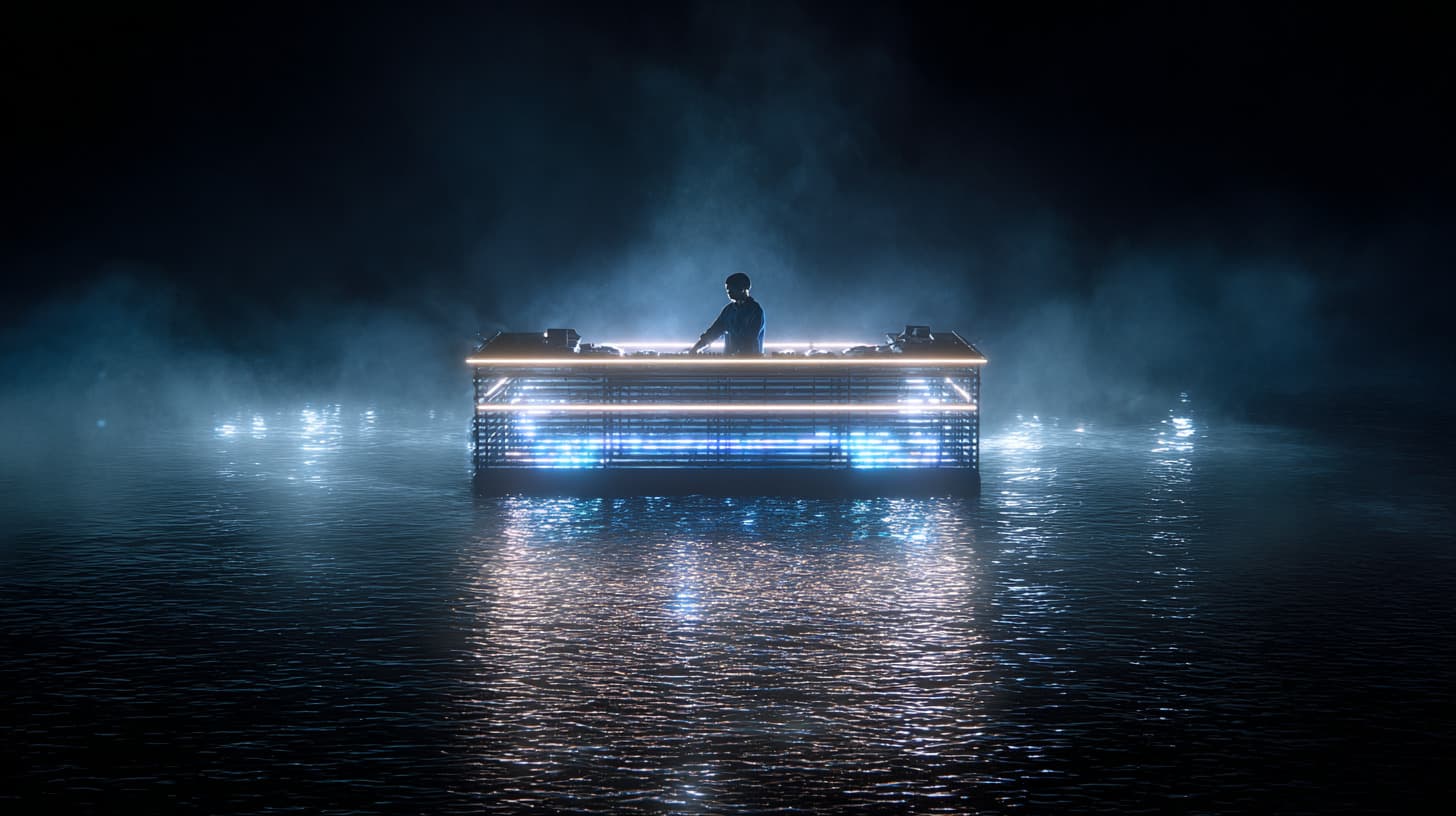
Le mot « artisanal » peut sembler désuet dans une conversation sur l'IA. Mais il capture quelque chose d'essentiel : la conviction que la qualité naît de l'attention, pas de l'automatisation. Un artisan n'exécute pas simplement. Il observe, ajuste, itère, et refuse de livrer tant que le résultat n'atteint pas son propre standard interne. Cet état d'esprit est exactement ce que le VFX premium exige.
Quand l'un de nos compositeurs passe une heure supplémentaire à perfectionner l'interaction lumineuse sur un packshot, c'est de l'artisanat. Quand notre étalonneur ajuste un grade image par image pour correspondre à l'intention émotionnelle d'un réalisateur, c'est de l'artisanat. Quand notre lead 3D insiste pour re-rendre une séquence parce que le subsurface scattering ne rend pas tout à fait juste sur la peau humaine, c'est de l'artisanat. L'IA ne remplace rien de tout ça. Elle dégage le chemin pour que nos artistes aient la bande passante de s'investir aussi profondément.
C'est ce qui sépare un studio qui utilise l'IA d'un studio construit sur l'IA. Nous sommes le premier. Notre fondation, c'est l'expertise humaine accumulée sur quinze ans de production premium. L'IA est un ajout récent à notre boîte à outils, pas la boîte à outils elle-même.
Ce Que Nos Clients Veulent Vraiment
Nous avons eu des conversations directes avec nos clients au sujet de l'IA. La réponse est remarquablement constante. Ils ne veulent pas que nous utilisions l'IA pour le principe. Ils ne veulent pas payer moins pour un travail inférieur. Ce qu'ils veulent, c'est ceci : la même qualité premium qu'ils ont toujours attendue, livrée avec plus d'exploration créative et une plus grande réactivité.
Une marque de luxe ne veut pas que sa campagne ait l'air « générée par IA ». Elle veut une campagne indéniablement travaillée, visuellement irréprochable et émotionnellement précise. Si l'IA nous a aidés à y arriver plus vite, tant mieux. Mais le résultat doit être indiscernable de, ou meilleur que, ce qu'un travail purement manuel aurait produit. C'est la barre. Et nous la franchissons parce que nous ne laissons jamais l'outil dicter le standard.
Le Paysage Concurrentiel : Deux Pièges à Éviter
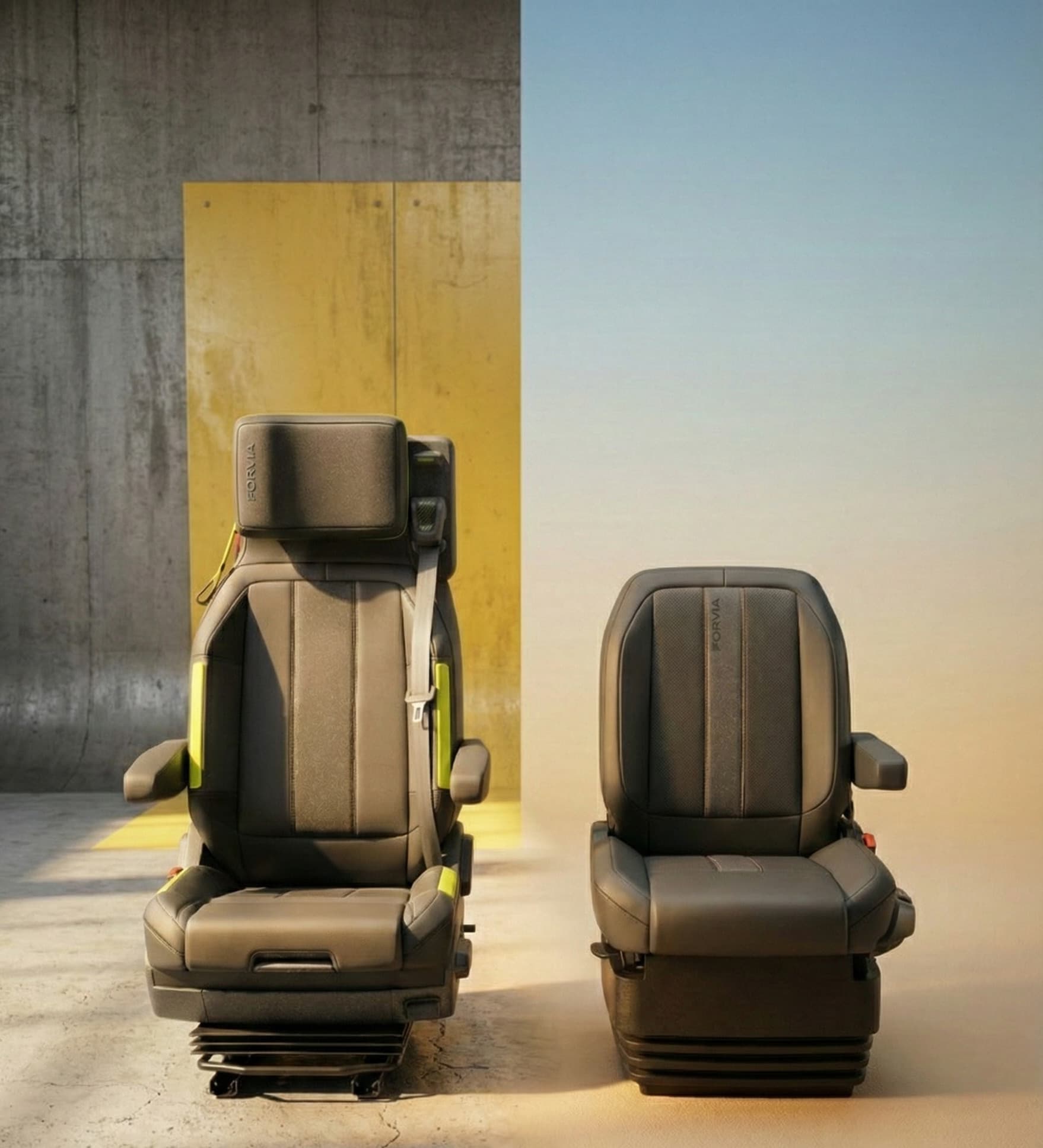
Nous observons deux tendances dangereuses dans notre industrie. La première est le studio « tout-IA » qui promet aux clients des prix impossiblement bas et des délais ultra-rapides. Ces boîtes produisent un travail générique et sans âme qui érode la valeur de marque. La seconde est le studio « zéro-IA » qui refuse d'évoluer, perdant progressivement en compétitivité à mesure que les délais et budgets se resserrent dans toute l'industrie.
Digiteyes occupe l'espace entre ces deux extrêmes. Nous utilisons l'IA de manière offensive là où elle apporte une vraie valeur, et nous protégeons le savoir-faire humain sans concession là où il est le plus déterminant. Ce n'est pas un compromis. C'est une conviction. Nous croyons que les studios qui mèneront la prochaine décennie sont ceux qui maîtriseront cet équilibre. Pas les moins chers. Pas les plus traditionnels. Les plus intelligemment hybrides.
Un Nouveau Standard pour la Production Premium
Le meilleur des deux mondes n'est pas un slogan marketing. C'est une réalité opérationnelle chez Digiteyes. Chaque projet qui sort de notre studio a été touché par des outils d'IA à un moment donné et raffiné par des mains humaines à chaque étape. La machine accélère. L'humain élève. Ensemble, ils produisent un travail qu'aucun des deux ne pourrait accomplir seul.
Pour nos clients, cela signifie une exploration créative plus riche dans les mêmes budgets. Des cycles d'itération plus rapides sans sacrifier la finition. Un storytelling visuel plus ambitieux soutenu par une infrastructure de production qui peut réellement tenir la promesse de l'ambition. Pour nos artistes, cela signifie passer moins de temps sur des tâches mécaniques fastidieuses et plus de temps à faire ce qu'ils aiment : créer des images qui touchent les gens.
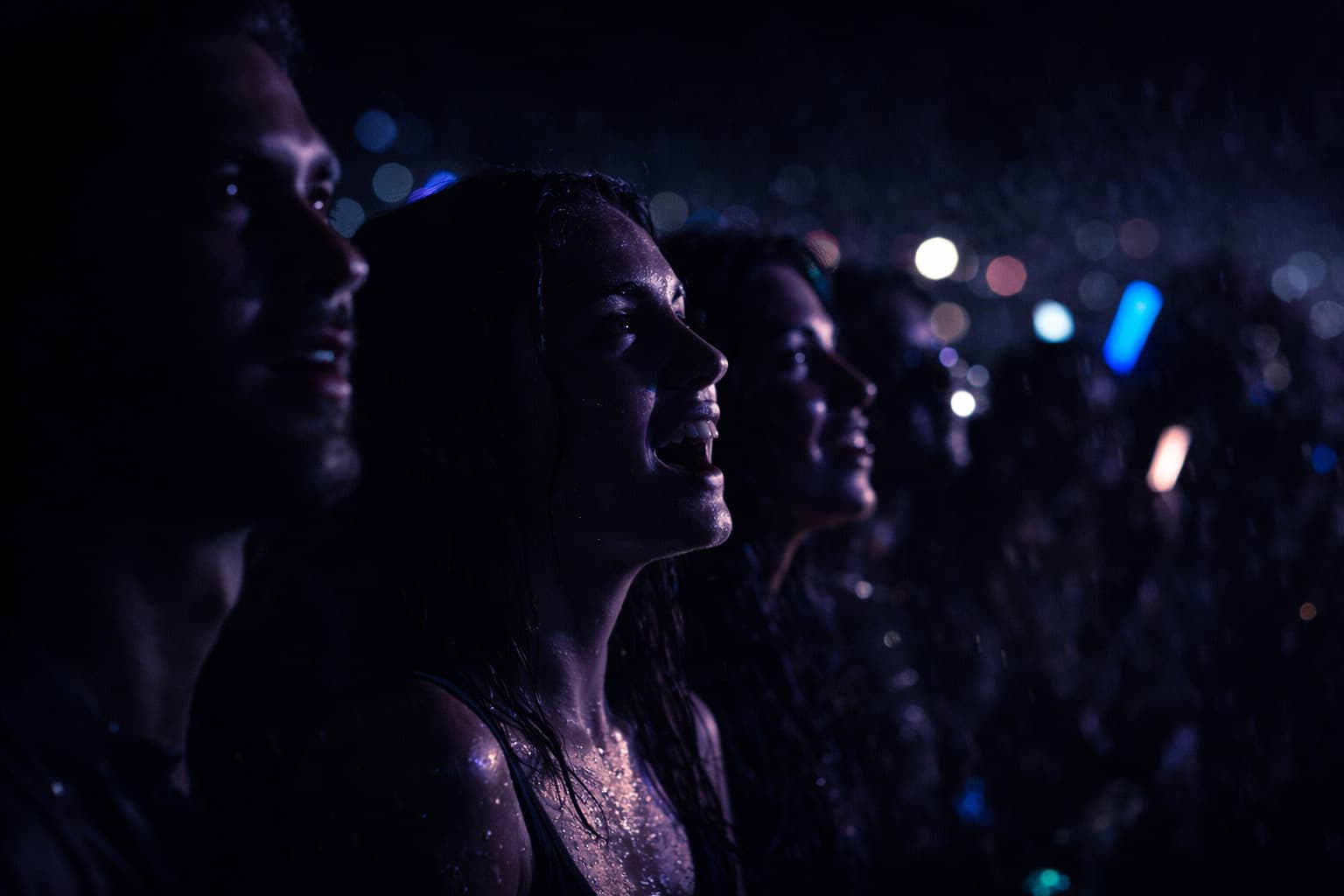
L'avenir de la production visuelle premium n'est ni humain ni machine. C'est l'humain avec la machine, guidé par le goût, porté par le savoir-faire, et mesuré au seul standard qui compte : est-ce que l'image vous fait ressentir quelque chose ?